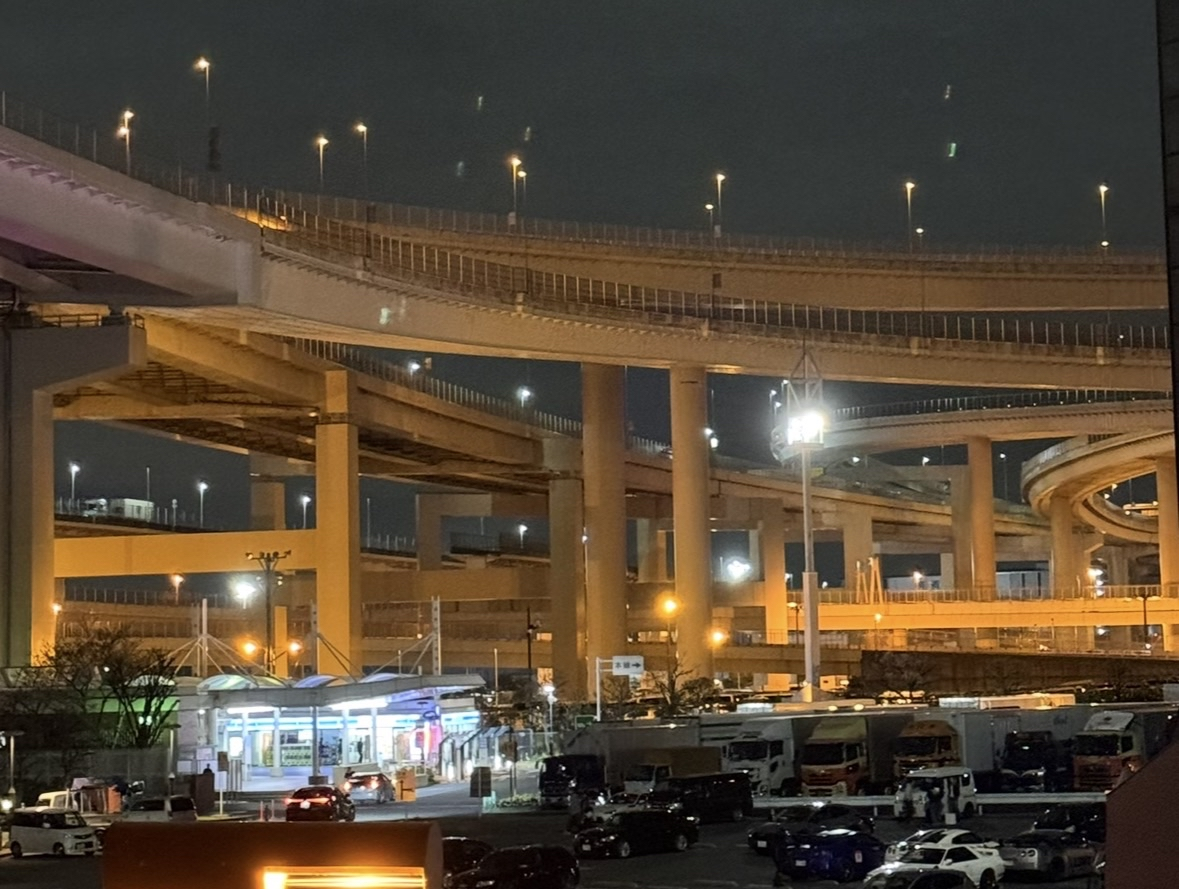
Daikoku Parking Area is the most famous car meet spot in Japan. If you’re a car enthusiast visiting Tokyo, this place is non-negotiable. On any given Friday or Saturday night, you’ll find everything from rare JDM builds to vintage classics to full-on supercars — all parked up under the lights of a highway rest stop in Yokohama.
I’ve been coming here for years in my JZX100 Chaser. Here’s everything you need to know before you go.
Getting There: Car Only
Let’s get one thing out of the way first: Daikoku PA is on a highway, and you can only access it by car. There is no train stop, no bus route. You drive in or you don’t go.
For foreign visitors, that means two options: taxi or rental car.
Rental Car (Recommended)
Renting a car is by far the better option. It gives you freedom, it’s cheaper than a taxi for the distance, and honestly — showing up to Daikoku in a rental is part of the experience.
A few things to know when driving to Daikoku:
- You’ll need to use the expressway. When you approach a toll gate, use the general lane — not the ETC lane. ETC requires a special transponder card that rental cars don’t always have. The general lane accepts cash and credit cards.
- From central Tokyo, the drive is roughly 30 to 40 minutes depending on traffic.
- Parking inside Daikoku PA is free. Just pull in.
Taxi (Not Recommended)
Technically you can take a taxi to Daikoku PA, but we strongly advise against it. The fare from central Tokyo can easily reach 20,000 to 30,000 yen or more for a round trip — that’s a significant chunk of your travel budget for a single night out. Beyond the cost, it defeats the purpose of being there. Part of the Daikoku experience is the drive in.
Spend that money on the rental car instead. You’ll have a better time.
When to Go
Timing is everything at Daikoku. Here’s the breakdown.
Friday and Saturday Evenings — The Main Event
Arrive around 5:00 to 6:00 PM. This sounds early, but there’s a critical reason: Daikoku PA regularly gets so crowded between 8:00 and 9:00 PM that the management shuts the entire PA down — and that means everyone inside gets kicked out immediately. No warnings, no exceptions. The whole lot clears out.
If you’re inside when this happens, the night is over. If you arrive after it happens, you’re not getting in.
Getting there by 5:00 to 6:00 PM means you enjoy the full build-up — cars arriving one by one, the crowd forming, the energy rising — without the risk of getting turned out mid-evening.
Weeknights
On regular weeknights, things get going later. Arriving around 9:00 PM is usually when you’ll start seeing cars gather. It’s quieter than the weekend, but you’ll often find the regulars — committed enthusiasts who come out regardless of the day.
Before and During Car Events
One insider tip: check if there’s a major car event happening nearby. The night before Tokyo Auto Salon or other big meets, Daikoku tends to go off. Enthusiasts driving to or from the event stop in, and the level of cars you’ll see is exceptional.
What Kind of Cars Show Up
Daikoku is genuinely all-genre. There’s no single scene — it’s everything at once.
On a good night you might see JDM classics, Italian exotics like Ferrari and Lamborghini, rare domestic sports cars, heavily modified builds, concours-level show cars, and completely stock daily drivers that just happened to pull over.
That mix is what makes Daikoku different from any other meet. You never know what’s going to be there.
One night I was there and Han — Sung Kang, the actor who plays Han in the Fast and Furious franchise — showed up in person. Completely unannounced. People were getting autographs, taking photos with him. That kind of thing just happens at Daikoku.
Every visit is different. The same combination of cars and people will never happen twice. That’s the point.
Etiquette — Read This Before You Go
Japanese car meet culture has its own unwritten rules. Follow them and you’ll have a great time. Break them and you’ll ruin it for everyone.
Do not touch cars without permission. These are not show cars on a display stand — they are people’s personal vehicles. Japanese owners are extremely particular about their cars being touched by strangers. Even leaning on someone’s car is considered disrespectful. Keep your hands to yourself unless you’ve asked.
Talk before you photograph. If you want to shoot someone’s car, don’t just point your camera — say something first. It doesn’t matter if your Japanese is zero. Walk up, make eye contact, and say something in English. Most people at Daikoku don’t speak English, but they will try to communicate with you. They’ll appreciate the effort far more than you expect. The willingness to try is what counts — not the fluency.
This applies to everything at Daikoku. Talk to people. Ask about the car, show genuine curiosity, and the conversation will happen one way or another. You’ll end up hearing things you’d never find in any guide — where the next meet is, which events are worth attending, what’s really going on in the local scene. Some of the best information you’ll get in Japan comes from conversations that technically shouldn’t have worked linguistically.
Daikoku rewards the people who show up with respect and the courage to say hello.
Quick Info
Location: Daikoku Futo PA, Yokohama, Kanagawa
Access: By car only via expressway
Best nights: Friday and Saturday
Best arrival time: 5:00 to 6:00 PM before the PA closes to new traffic
Weeknight timing: Around 9:00 PM
Cost: Free to enter, free parking inside the PA
Written by someone who has been making this drive for years. Every piece of advice here comes from personal experience — not a travel blog or a YouTube video.
コメントを残す