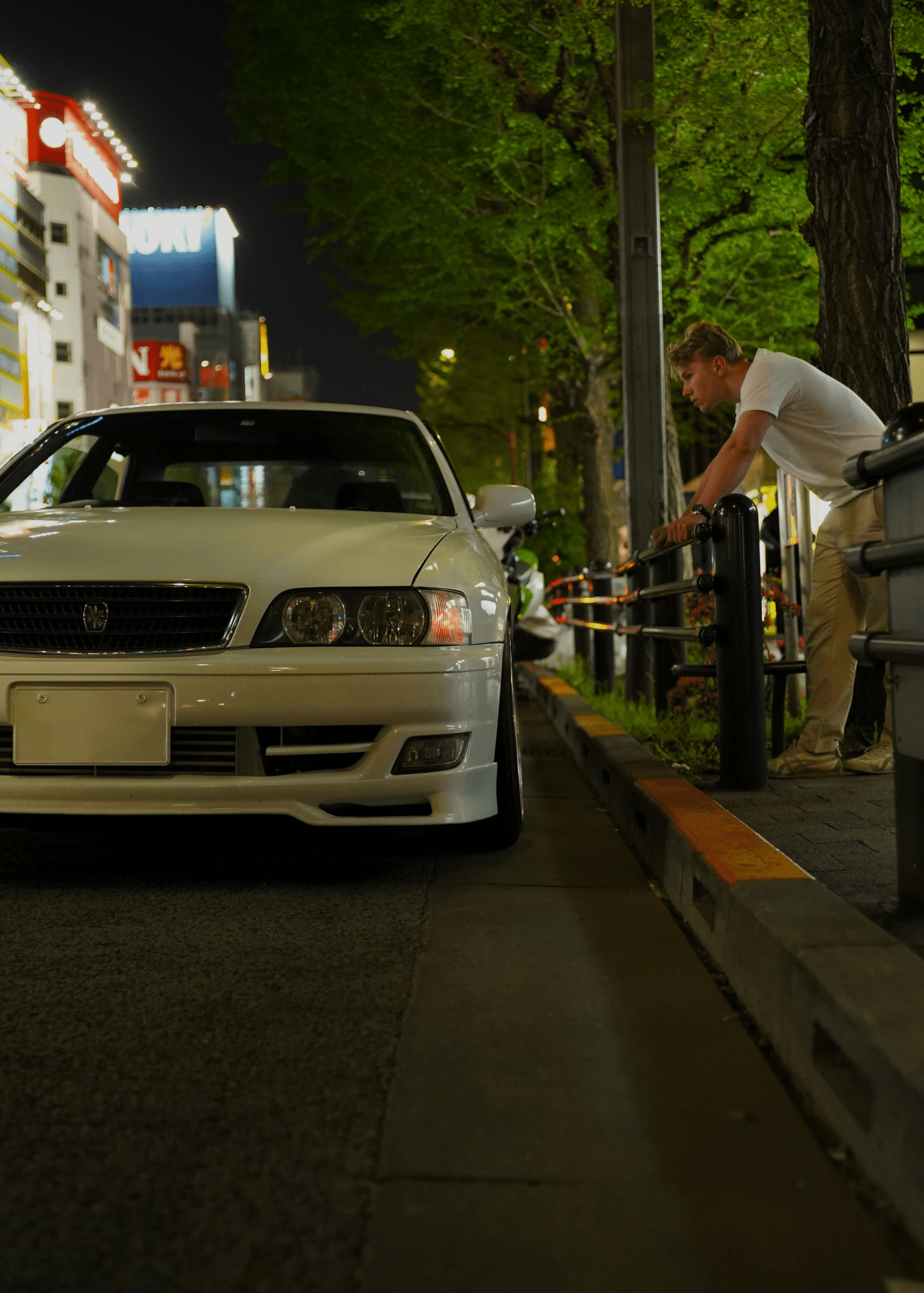
You’ve flown to Japan to experience the real car culture. Therefore, at some point, you’re going to want to drive it. Renting a car in Japan is straightforward once you know the system — but there are a few things that will cost you serious money if you get them wrong. This guide covers everything you need to know.
Step 1: Get Your International Driving Permit Before You Leave
This is non-negotiable. Japan requires an International Driving Permit (IDP) for foreign visitors — your home country license alone is not enough.
Get your IDP before you leave your home country from your national automobile association (AAA in the US, AA in the UK, CAA in Canada, etc.). It takes a few days to process and costs around $20. You cannot get one in Japan.
Bring both your IDP and your original home country license — you need both at the rental counter.
Step 2: Choose Your Rental Company
Standard Option — Toyota Rent a Car / Nippon Rent-A-Car
For most visitors, these are the safest and most reliable choices. Well-maintained fleets, English-friendly booking systems, and locations nationwide. If you’re here to visit car meets and drive Tokyo’s expressways rather than specifically drive a JDM sports car, go here.
- Toyota Rent a Car: rent.toyota.co.jp
- Nippon Rent-A-Car: nipponrentacar.co.jp
JDM Option — Omoshiro Rent-A-Car
If driving a Silvia, Skyline, or other JDM sports car is the whole point of your trip, Omoshiro Rent-A-Car is the option that exists for exactly that reason. However, understand the tradeoffs clearly before booking.
These cars are driven hard by enthusiasts, and maintenance standards are not always what you’d expect from a major chain. Before you accept any vehicle, check the tires thoroughly. Japanese law requires a minimum tread depth of 1.6mm — below that, the car is illegal to drive. If the tires look borderline, say something before you leave the lot. Once you drive away, responsibility shifts to you, and the financial consequences of a breakdown or incident can be significant.
Go in with eyes open, check everything before you accept the car, and you can have an incredible experience. Go in assuming everything will be fine and you might have a bad time.
Step 3: Book in Advance Online
Walk-in is possible, but online booking gives you vehicle selection, better rates, and the ability to request an ETC card. For popular models at Omoshiro, advance booking is essentially mandatory — the good cars go fast.
Step 4: Decide Where to Pick Up
For visiting Tokyo’s car scene specifically, city pickup makes more sense than airport pickup in most cases.
Getting from Narita Airport to Shibuya by bus or train costs around $10 per person. Compare that to driving a rental car into central Tokyo and paying ¥3,000–5,000 per day just to park it near your hotel. Unless you’re heading straight out of the city on arrival, leave the car for when you need it.
Pick up the car when you’re ready to use it — Tatsumi PA run, Daikoku PA night, Chiba Damashi, whatever’s on the itinerary.
Step 5: Rent an ETC Card
If you’re driving Tokyo’s expressways — and if you’re reading this site, you are — rent an ETC card from the rental company when you pick up the car. Most major chains offer this for a small daily fee.
Without an ETC card, you pay cash at toll booths, which means stopping, fumbling for change, and slowing down at every gate. The Wangan is not a place you want to be doing that.
Step 6: The Pickup Process
At the counter you’ll need:
- Your International Driving Permit
- Your home country driver’s license
- Your passport
- A credit card (debit cards are often not accepted)
Walk around the car before driving away. Check for existing damage and make sure it’s documented. Check the tires — especially important if you’re renting from a specialist JDM rental company. Check the fuel level and note what type of fuel the car requires (regular vs. premium).
Step 7: Returning the Car — Fill the Tank
First, one important question to ask at the counter: “Is fuel included in the price?”
In Japan, fuel is almost never included in the rental fee. Unlike some countries where rentals come with a full tank and you return it empty, the standard in Japan is that you pick up the car with fuel in it and return it at the same level — typically full. Always confirm this at pickup to avoid surprises.
With the exception of Times Car (which operates on a different system), you must return the car with a full tank of fuel. This is standard across Japanese rental companies.
If you return without a full tank, the rental company will charge you for the missing fuel at their rate — which is significantly higher than pump price. Fill up at a gas station before returning, show the receipt if asked, and you’re done.
Parking — Read This Carefully
This is where most first-time visitors get caught out. Parking on Japanese roads without permission is illegal and will result of a fine of around ¥9,000 (approximately $60–70).
The rules:
White painted bays on the street — these are metered parking spaces and are legal to use. You must pay at the nearby parking meter machine, typically around ¥300 per set time period. Do not assume a white box means free parking.
Coin parking lots (コインパーキング) — these are everywhere in Japanese cities. Look for the signs, drive in, and pay when you leave. Rates vary but are clearly posted. These are the safest and most convenient option.
No parking zones — most urban streets. Don’t stop, even briefly.
For finding legal parking near wherever you’re going: parkingmeter.jp — Tokyo’s official guide to legal on-street parking locations.
Quick Reference
| Item | Details |
|---|---|
| IDP Required | Yes — get it before leaving your country |
| Best Standard Company | Toyota Rent a Car / Nippon Rent-A-Car |
| JDM Sports Car Option | Omoshiro Rent-A-Car — check tires before accepting |
| Book in Advance | Yes — especially for specific models |
| ETC Card | Rent one if driving expressways |
| Fuel on Return | Full tank required (except Times Car) |
| Illegal Parking Fine | ~¥9,000 (~$60–70) |
| Parking App | parkingmeter.jp |
| Drive Side | Left — take the first few km slowly |
The Bottom Line
Renting a car in Japan unlocks everything this site is about — the PAs, the circuits, the mountain roads, the car meets that don’t have train access. Get your IDP sorted before you leave home, book in advance, rent an ETC card, and learn the parking rules.
Do those four things and the rest takes care of itself.
Planning a Daikoku PA run or heading to Chiba Damashi? A rental car isn’t optional — it’s how you get there.
コメントを残す