カテゴリー: Events

  • The Complete Guide to Japanese Car Meet Etiquette

    The Complete Guide to Japanese Car Meet Etiquette

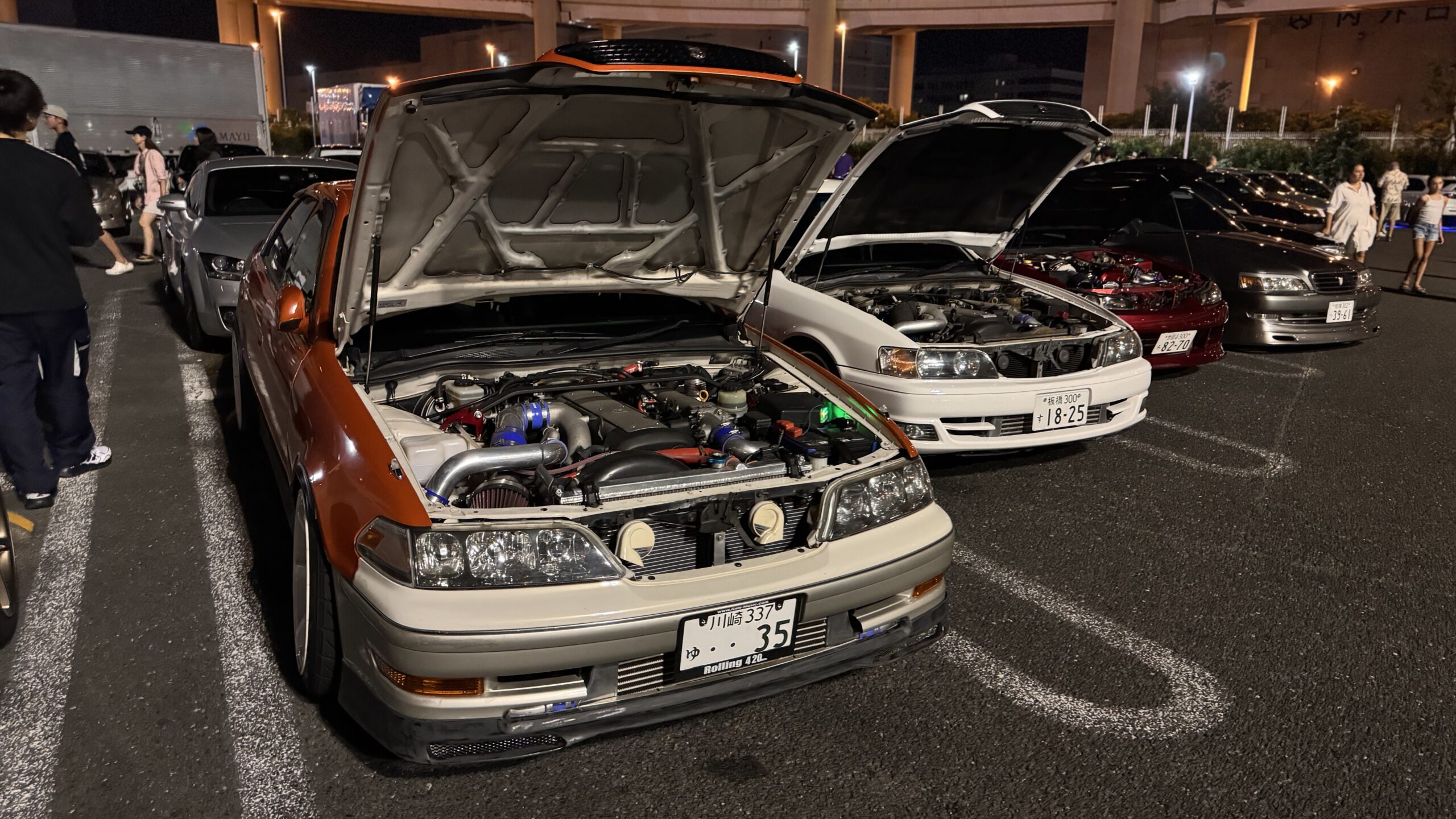
    Japan’s car meet scene is one of the most welcoming in the world — but only if you know how to show up. The rules aren’t complicated, and most of them come down to one principle: treat every car like it belongs to someone who loves it more than anything else they own. Because it probably does.

    This guide pulls together everything you need to know before your first Japanese car meet, whether you’re heading to Daikoku PA, Shibuya Carjack, or anywhere in between.


    The One Rule That Covers Everything

    Before the specifics: if you’re ever unsure whether something is okay, ask yourself — “Would I want someone doing this to my car?”

    That single question covers 90% of situations. Japan’s car community runs on mutual respect, and the people you’ll meet have often spent years and serious money building what you’re looking at. Some are still paying for it. Act accordingly.


    Don’t Touch the Cars

    This is the most important rule, and it applies everywhere in Japan without exception.

    Do not touch, lean on, open, or sit in anyone’s car without being explicitly invited to do so. It doesn’t matter how impressive the build is, how much you want a closer look, or how friendly the owner seems. Wait to be invited.

    If an owner pops the hood or opens a door, that’s your invitation. Until then, keep your hands to yourself.


    Photography — Free, But Do It Right

    Photography is generally fine at Japanese car meets. However, how you do it matters as much as whether you do it.

    Don’t silently point a camera at someone’s car from a distance and walk away. Make eye contact, show enthusiasm, give a thumbs up. A genuine reaction — even without shared language — goes a long way. Owners notice the difference between someone who’s genuinely excited about their build and someone who’s just collecting photos.

    For cars at illegal or semi-legal meets: don’t post online immediately after the event. This is one of the most important unwritten rules in Japan’s car culture. Wait. Let the night pass before anything goes on social media. Posting in real time can end the event for everyone, and you’ll quickly become unwelcome.


    Communication — Language Is Not a Barrier

    Most Japanese car enthusiasts don’t speak conversational English. However, most of them studied English for around six years in school — which means if you speak slowly and clearly, more gets through than you’d expect.

    For everything else: use a translation app. Pull out your phone, type what you want to say, and show them the screen. It’s not awkward — it’s practical, and people appreciate the effort. Google Translate’s camera mode also works well for reading Japanese signs and stickers on builds.

    The best conversation starter: if you drive a JDM car back home, say so. Tell them what you drive. Show them a photo. This works better than any icebreaker — Japanese car owners genuinely light up when a foreigner tells them they’re running the same platform on the other side of the world. It creates an instant connection that transcends the language barrier completely.


    Approaching Cars and Owners

    Walking up to look at someone’s car is completely fine — there’s no need to hang back or ask permission just to look. Car meets exist precisely for this.

    The key is awareness. Read the situation. If an owner is in the middle of a conversation, don’t interrupt. If someone is clearly not in the mood for interaction, respect that. And when you do approach, do it with visible enthusiasm — make it obvious you’re there because you love cars, not just because you’re a tourist passing through.


    If You’re Arriving by Car

    Large Meets (Daikoku PA, Odaiba, etc.)

    Arriving by rental car is fine at larger meets. However, do not park your rental car among the modified builds. JDM cars line up together. A stock rental in the middle of that lineup is a clear etiquette violation — find a separate area of the car park for standard vehicles.

    Smaller or Street Meets (Shibuya Carjack, etc.)

    At tighter locations, park nearby rather than in the meet itself. Find a legal parking spot a short walk away, then walk in. Don’t try to squeeze a rental into a space that’s clearly part of the meet.

    Engine and Noise

    Turn your engine off when you’re parked. If your car is stock or near-stock, leaving it idling is generally fine. If it’s modified and loud, shut it down — unnecessary noise in a residential or enclosed area reflects badly on the whole scene.


    When the Police Show Up

    At some point, police will show up. It happens at Daikoku, Tatsumi, Shibuya Carjack — nearly everywhere. Here’s how to handle it:

    Stay calm. Do not run.

    Panicking and driving away fast is the worst thing you can do. It draws attention, creates danger, and makes the situation worse for everyone. When police arrive and ask people to move on, comply quietly and without drama. The meet will likely reconvene somewhere else, or the same spot will come back to life an hour later. It’s part of the rhythm — not the end of the night.


    The Driving Rules — Don’t Get This Wrong

    This is where foreign visitors make the most serious mistakes.

    You need an International Driving Permit (IDP) to drive in Japan. Your home country license alone is not valid. If you’re driving without one and police are present — and at car meets, they often are — you will be stopped, and the consequences are significant.

    Beyond the permit: Japan drives on the left side of the road, and traffic regulations are strictly enforced. Speed limits, lane discipline, and road rules are taken seriously in ways that might feel unfamiliar if you’re used to driving in other countries. Take the first few kilometers slowly, get comfortable with the road, and don’t let the excitement of the night push you into doing something you can’t take back.

    Don’t have an IDP yet? Read our full rental car guide before your trip.


    Stay Aware of Your Surroundings

    The energy at a good car meet is infectious. It’s easy to get completely absorbed — and that’s fine, that’s the whole point. However, the best people at these events are always aware of what’s happening around them.

    Watch where you’re standing. Be conscious of cars moving in and out. Don’t block exits or access routes. Keep an eye on the general atmosphere — if things start to feel tense or something seems off, trust that instinct and give yourself space.

    The simple rule: enjoy everything, but stay present. If you do that, you’ll be fine anywhere in Japan’s car scene.


    Quick Reference

    RuleDetails
    Touching carsNever without invitation
    PhotographyOK — show enthusiasm, don’t post illegal meets immediately
    LanguageSpeak slowly, use translation app, show your own JDM car
    Arriving by rentalFine at large meets — don’t park among modified cars
    Engine onTurn off when parked, unless fully stock
    PoliceStay calm, comply quietly, don’t run
    IDPMandatory — get it before you leave your country
    Driving sideLeft — take it slow at first
    Universal ruleWould you want this done to your car?

    The Bottom Line

    Japan’s car meet scene will give you some of the best experiences you’ve ever had around cars. The community is open, the builds are incredible, and the culture runs deeper than almost anywhere else in the world.

    None of the rules here are difficult. Show respect, use common sense, and approach everything with genuine enthusiasm for the cars — not just as a spectator experience, but as a culture worth understanding. Do that, and you’ll be welcomed back every time.
  • Odaiba Car Meet — How to Find Tokyo’s Hidden Waterfront Car Meet

    Odaiba Car Meet — How to Find Tokyo’s Hidden Waterfront Car Meet

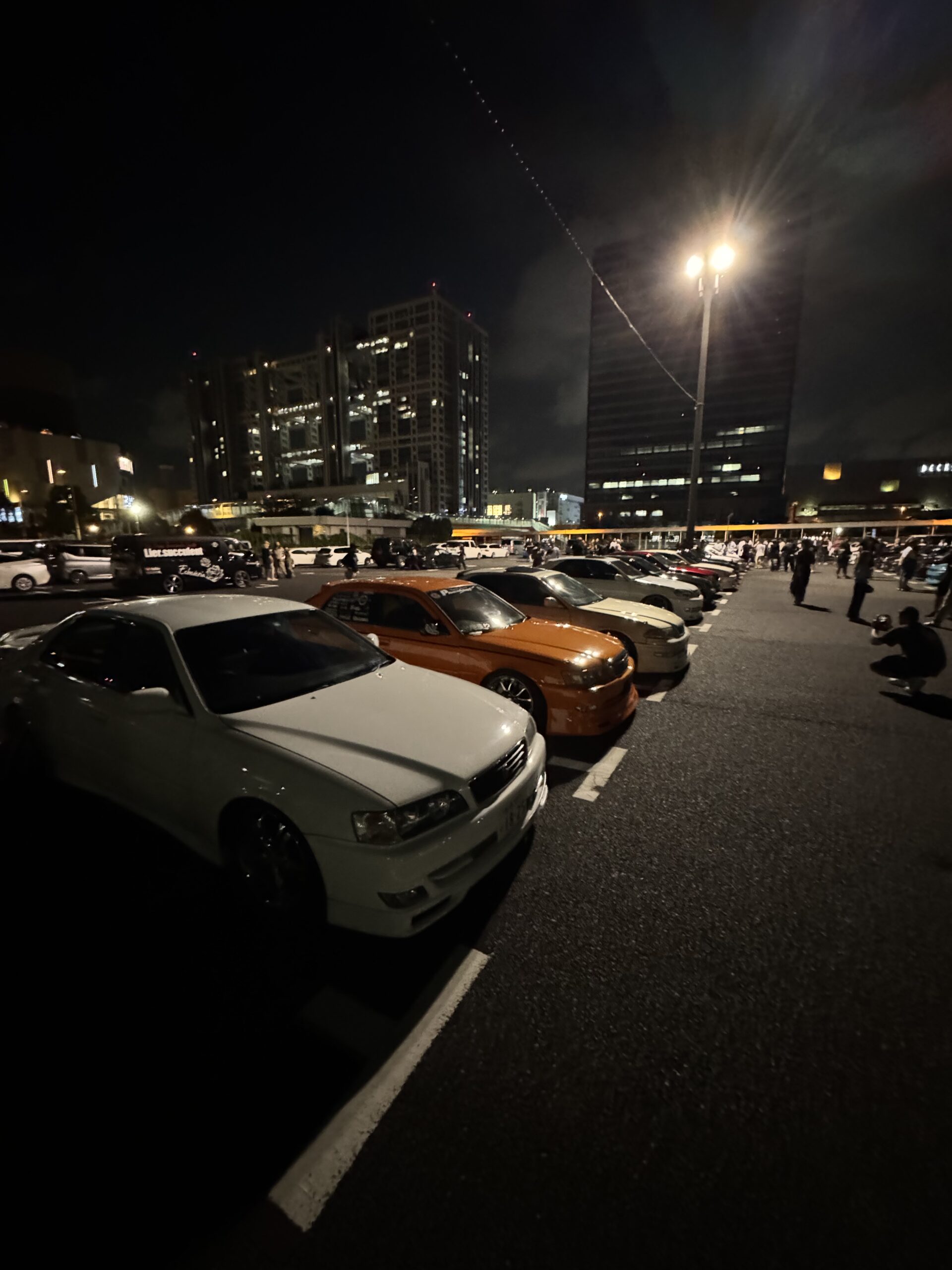
    Not everything worth seeing in Tokyo is listed on a travel blog. Odaiba’s car meet scene is a perfect example — irregular, secretive, and built entirely around those who know where to look. Furthermore, it’s one of the most foreigner-friendly meets in the city, set against one of Tokyo’s best waterfront backdrops.

    However, there’s one thing you need to understand before you go: don’t show up without checking first.

    How It Works — The Secret Format

    Unlike Shibuya Carjack, which happens organically every Saturday night, the Odaiba meets are organized events with actual hosts. They’re announced via Instagram and Twitter — often with little notice, and often with a degree of secrecy intentional to the format.

    There are multiple different organizers running different types of events throughout the year. As a result, the vibe, the cars, and the scale vary significantly depending on which event you’re attending.

    The rule is simple: follow the right accounts, check before you go. Showing up to an empty car park on the wrong night is a waste of your evening in Tokyo.

    Where It Happens

    The main location is Aomi Kita Temporary Car Park (青海北臨時駐車場) — a large open lot in the Aomi area of Odaiba, right on Tokyo Bay. The parking lot itself becomes the venue.

    The Cars and the Scene

    The meets lean toward street culture — similar in spirit to Shibuya Carjack, but with a waterfront setting and a more organized structure. On a strong night, 50+ cars show up. Police presence exists, however as long as nobody is causing trouble, enforcement stays relaxed.

    Getting There

    By train: Rinkai Line to Tokyo Teleport Station — walking distance to the venue.

    By car: The event venue is the car park itself. For nights when you want to explore the area separately, Odaiba Kaihin Park North Entrance Car Park is one of the cheaper nearby options.

    After the Meet — Odaiba at Night

    Odaiba Beach — The view across Tokyo Bay toward the Rainbow Bridge and the city skyline is one of the best in Tokyo. Walk the beach after the meet and it doesn’t feel real.

    Times Car Park Harumi Futo (タイムズ晴海ふ頭公園) — Less known than Odaiba’s main viewpoints, but the view from here is arguably better. Quiet, uncrowded, and the kind of spot that feels like a local secret.

    Ooi Futo (大井埠頭) — Nearby. We’ll leave it at that.

    Quick Reference

    InfoDetails
    LocationAomi Kita Temporary Car Park, Odaiba
    FrequencyIrregular — check Instagram/Twitter first
    FormatOrganized events, often secretive
    CarsStreet builds, 50+ on big nights
    EntryFree to watch
    TrainRinkai Line → Tokyo Teleport Station
    PhotographyOK
    PolicePresent but relaxed
    ForeignersVery welcome

    The Bottom Line

    Odaiba is not a spot you stumble into on a whim — and that’s what makes it special. Do the homework. Follow the right accounts. Show up when something is actually happening.

    Finish Setup

    Combine with Tatsumi PA and Shinonome for a full waterfront Tokyo car night.

  • ChibaDamashi — How to Experience Japan’s Wildest Underground Drift Event

    ChibaDamashi — How to Experience Japan’s Wildest Underground Drift Event

    There are drift events, and then there is ChibaDamashi. Held once a year at Mobara Circuit in Chiba, this is where Kanto’s most respected street drifters gather — not for a competition, but to push limits together in one of the most raw and unfiltered drift events in Japan. Furthermore, with over 120 cars and more than 1,000 spectators, it’s a scale that most grassroots events never reach.

    If you want to understand what Japanese drift culture actually looks like from the inside, this is the event to be at.


    What Is Chiba Damashi?

    Chiba Damashi (千葉魂) is an annual drift meeting organized around Mobara Circuit — one of the most storied local circuits in the Kanto region. Unlike professional drift competitions where everything is scripted and sanitized, Chiba Damashi is a open-style run day where drivers bring their own machines, run their own way, and push each other to go harder.

    The result is something you simply don’t see at ticketed shows: genuine, unfiltered Japanese drift culture, where the people behind the wheel are the same ones you’d see on the streets of Tokyo on a Saturday night.

    👉 chibadamashi.website — Official site for event dates and announcements


    The Chiba Damashi Line

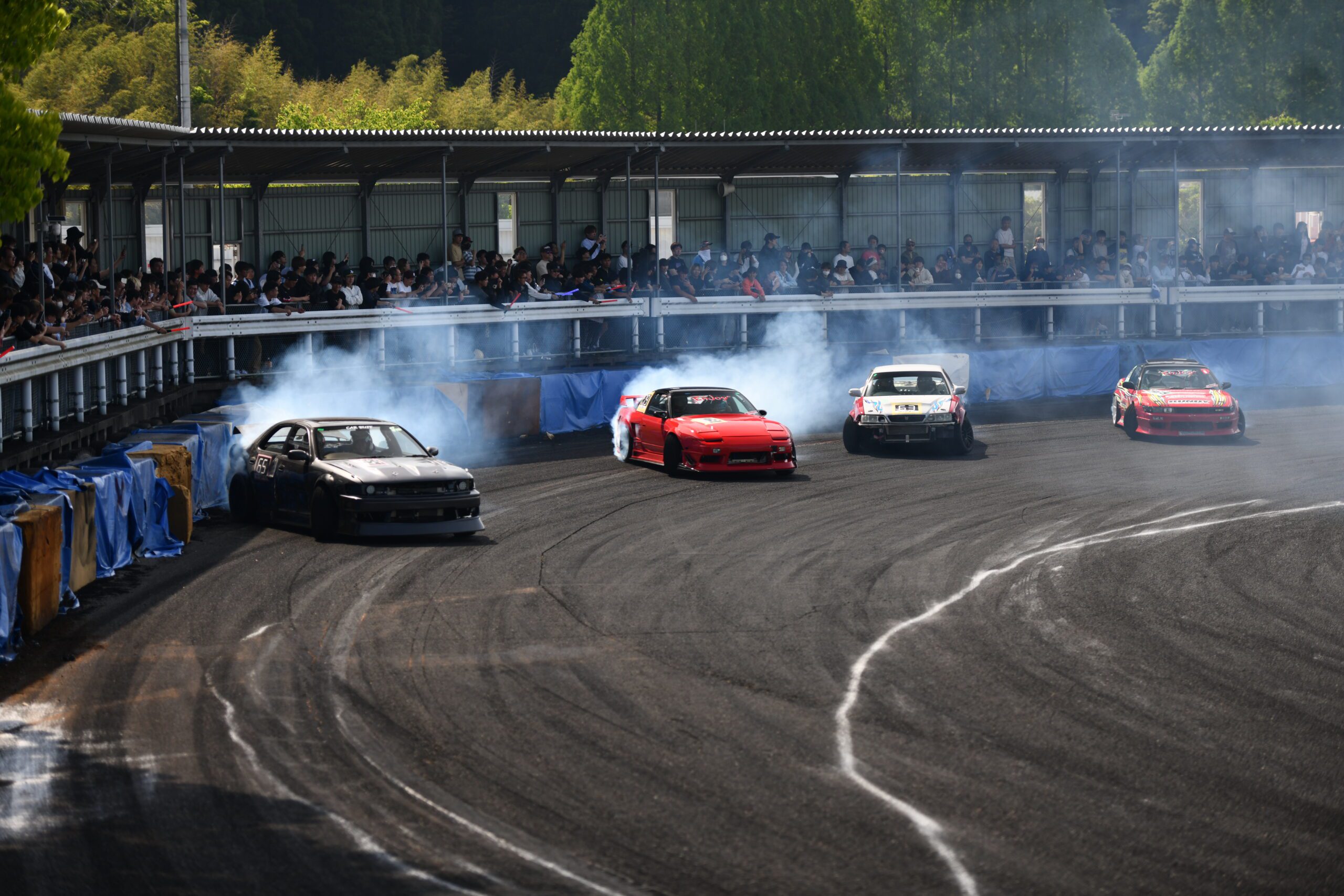
    The highlight of the event — and what separates it from any other drift day — is what regulars call the Chiba Damashi Line. This is a specific line through Mobara Circuit that runs tighter and more aggressively than a standard drift run. Drivers carry more angle, hold closer to the barriers, and push further than you’d see at a conventional event.

    Moreover, drivers don’t just run this line solo. Group runs — multiple cars drifting in tandem through the circuit — are a core part of the experience. When a train of high-powered drift cars comes through the Chiba Damashi Line together, smoke filling the track and engines screaming, it’s a level of spectacle that photographs simply can’t convey.

    The spectator areas are close to the circuit. Therefore, the sound, the smell of tire smoke, and the physical sensation of high-powered cars at full lock hits completely differently than watching from a grandstand.


    The Cars and Drivers

    With 120+ cars on the day, the range of builds is enormous — but the common thread is power. Chiba Damashi attracts serious machines from serious drivers. Many of the regulars are well-known names in the Kanto street drift scene, and the event draws the kind of attendance that only comes from years of genuine credibility in the community.

    This is not a show car event. These are working drift cars, built to be driven hard, and they will be.


    For International Visitors

    Chiba Damashi doesn’t have many foreign visitors yet — which means right now is the best time to go, before it becomes a destination event. As a foreigner, you’ll stand out, and that’s a good thing: the community is open, and local drifters who want to share their culture with international enthusiasts will find you.

    Photo and video: Fully allowed. Bring your best gear — the combination of close spectator areas, heavy smoke, and aggressive driving makes for extraordinary footage.

    Language: There’s no English support on the day, however the universal language of appreciating a well-executed drift doesn’t require translation. A thumbs up goes a long way.

    Entry fee: ¥500 paid to Mobara Circuit at the gate. One of the best value experiences in Japanese motorsport.


    Getting There

    Chiba Damashi is held at Mobara Circuit in Chiba Prefecture. Access is primarily by car.

    • By highway: Keiyo Expressway / Ken-O Expressway → Nagamimobara IC → approximately 7 minutes to the circuit
    • By train: The circuit is not easily accessible by train, so renting a car is strongly recommended

    If you’re planning to rent a car during your Japan trip, timing your visit to Chiba Damashi is an excellent reason to do so. Drive out in the morning, spend the day at the event, and experience Chiba’s roads on the way back.


    Quick Reference

    InfoDetails
    EventChiba Damashi (千葉魂)
    LocationMobara Circuit, Chiba Prefecture
    FrequencyOnce a year
    Hours9:00 AM – around 4:00 PM
    Entry Fee¥500 (paid to Mobara Circuit)
    Cars120+ drift builds
    Spectators1,000+
    PhotographyFully allowed
    AccessKen-O Expressway Nagaminobara IC → 7 min
    English SupportNone — bring a translator app
    Official Sitechibadamashi.website

    The Bottom Line

    Chiba Damashi is the kind of event that defines what JDM culture is actually about — not the polished, corporate version, but the real thing. Drivers who built their own cars, running lines that most people wouldn’t attempt, in front of a crowd that genuinely understands what they’re watching.

    It happens once a year. It’s ¥500 to get in. And it will be one of the best things you do in Japan.

  • Tokyo Auto Salon — The Complete Visitor’s Guide

    Tokyo Auto Salon — The Complete Visitor’s Guide

    If you’re into JDM car culture, Tokyo Auto Salon is the one event you cannot miss. Held every January at Makuhari Messe in Chiba, it’s the world’s biggest custom car show — and for car enthusiasts visiting Japan, it’s a bucket list experience.

    I’ve been going since I was a kid, and I’ve lost count of how many times I’ve walked those halls. Here’s everything you need to know to make the most of your visit.


    What Is Tokyo Auto Salon?

    Tokyo Auto Salon is an annual custom car and aftermarket parts exhibition held in mid-January at Makuhari Messe. Unlike motor shows focused on new production cars, TAS is all about modified and custom builds — from full aero kits and widebody monsters to track-built time attack machines and stance builds.

    Every genre is represented. JDM legends, domestic tuners, international brands — it’s all there under one roof.


    When to Go

    Tokyo Auto Salon runs for three days in January each year. There’s one important thing to note about the schedule: Friday is a half-day. Doors open in the afternoon, not the morning, and there’s no extension to the hours. If you’re only in Japan for a short time, Saturday or Sunday will give you the most time inside.

    Saturday is the highlight day — the outdoor demonstration area hosts a drift show, and if you’re already inside the venue, it’s free to watch. Don’t miss it.


    Getting There

    By Train (Recommended)

    The vast majority of visitors should take the train. In 2026, attendance hit 200,000 people — the roads around Makuhari Messe on event days are a nightmare, and parking is extremely limited.

    The easiest route from Tokyo is the Keiyo Line from Tokyo Station to Kaihin-Makuhari Station, which is a short walk from the venue. The ride takes around 30–40 minutes depending on the service.

    For navigating transfers and train times, Yahoo! Transit (Yahoo乗換案内) is the best app to use. It’s far more accurate for local trains than Google Maps and gives you real-time updates.

    By Car

    If you’re planning to shop heavily — and you should be, more on that below — driving makes it easier to carry your haul back. But be prepared: you’ll want to arrive by 7:00 AM to secure parking before the queues build up. The lots fill fast.


    Tickets

    Tickets are a single tier: ¥3,000 per person.

    Advance purchase is required — you cannot buy at the door. Tickets are available through the official website: 👉 https://www.tokyoautosalon.jp/2026/ticket/

    Buy yours before you travel to Japan. They do sell out, especially for Saturday.


    What Time to Arrive

    Doors open at 9:00 AM, but getting there early is critical regardless of how you’re getting there.

    • By car: Aim to arrive by 7:00 AM to get parking sorted before the rush
    • By train: Try to be through the gates by 8:00 AM — the entry queue builds up fast once the show opens

    What to Expect Inside

    All Genres, All Builds

    TAS covers the full spectrum of custom car culture. You’ll find everything from street-legal show cars to full race builds, kei car mods, luxury customs, and everything in between. If it’s been built or tuned in Japan, chances are it’s here.

    Don’t Miss: Liberty Walk

    The Liberty Walk booth is one of the most impressive at the show — it’s large, heavily invested, and always draws a crowd. Their widebody builds are the kind of thing you’ve seen in photos a thousand times, but seeing them in person hits differently.

    Saturday Drift Show

    On Saturday, the outdoor area hosts a live drift demonstration. This is included with your entry ticket at no extra charge. Find a spot early and watch some of the best drivers in Japan put on a show.


    Shopping: The Real Hidden Gem

    Here’s something that surprises a lot of first-timers: Tokyo Auto Salon is one of the best places in Japan to buy car parts.

    Brands and vendors offer serious discounts at the show — 40% off is not unusual, even on premium products. Japanese car enthusiasts often hold off on major parts purchases throughout the year specifically to buy at TAS. If you’re planning to do any kind of build work, this is the time to stock up.

    The tradeoff is that you’ll need to carry everything out. If you’re flying, think carefully about what you can realistically bring back.


    How Long to Spend

    Plan for at least half a day. The venue is large and there’s a lot to cover.

    One tip that makes a big difference: check the floor map the night before. TAS publishes a full exhibitor map ahead of the event. Spend 15 minutes the evening before identifying the booths you don’t want to miss and planning a rough route. If you just wander, it’s easy to spend an hour in one section and then realize you’ve missed something important on the other side of the hall.


    What to Wear and Bring

    A few practical things worth knowing:

    It gets hot. It’s January in Japan, so you’ll bundle up to get there — but inside Makuhari Messe with tens of thousands of people, it gets warm quickly. Wear layers you can easily remove.

    Travel light. Booths give out tote bags, you’ll pick things up as you walk, and if you’re shopping, you’ll accumulate bags fast. Start with as little as possible.


    Quick Reference

    InfoDetails
    LocationMakuhari Messe, Chiba
    Nearest StationKaihin-Makuhari (Keiyo Line from Tokyo Station)
    DatesEvery January (3 days)
    Ticket Price¥3,000
    Advance BookingRequired — buy online before you go
    Opening Time9:00 AM (Friday: afternoon only)
    Recommended ArrivalBy car: 7 AM / By train: by 8 AM
    Drift ShowSaturday only — included with entry

    Tokyo Auto Salon is one of those events that reminds you why Japan is the spiritual home of JDM culture. Go once and you’ll be coming back every year.