投稿者: pilgrimjdm@gmail.com

  • Odaiba Car Meet — How to Find Tokyo’s Hidden Waterfront Car Meet

    Odaiba Car Meet — How to Find Tokyo’s Hidden Waterfront Car Meet

    Not everything worth seeing in Tokyo is listed on a travel blog. Odaiba’s car meet scene is a perfect example — irregular, secretive, and built entirely around those who know where to look. Furthermore, it’s one of the most foreigner-friendly meets in the city, set against one of Tokyo’s best waterfront backdrops.

    However, there’s one thing you need to understand before you go: don’t show up without checking first.

    How It Works — The Secret Format

    Unlike Shibuya Carjack, which happens organically every Saturday night, the Odaiba meets are organized events with actual hosts. They’re announced via Instagram and Twitter — often with little notice, and often with a degree of secrecy intentional to the format.

    There are multiple different organizers running different types of events throughout the year. As a result, the vibe, the cars, and the scale vary significantly depending on which event you’re attending.

    The rule is simple: follow the right accounts, check before you go. Showing up to an empty car park on the wrong night is a waste of your evening in Tokyo.

    Where It Happens

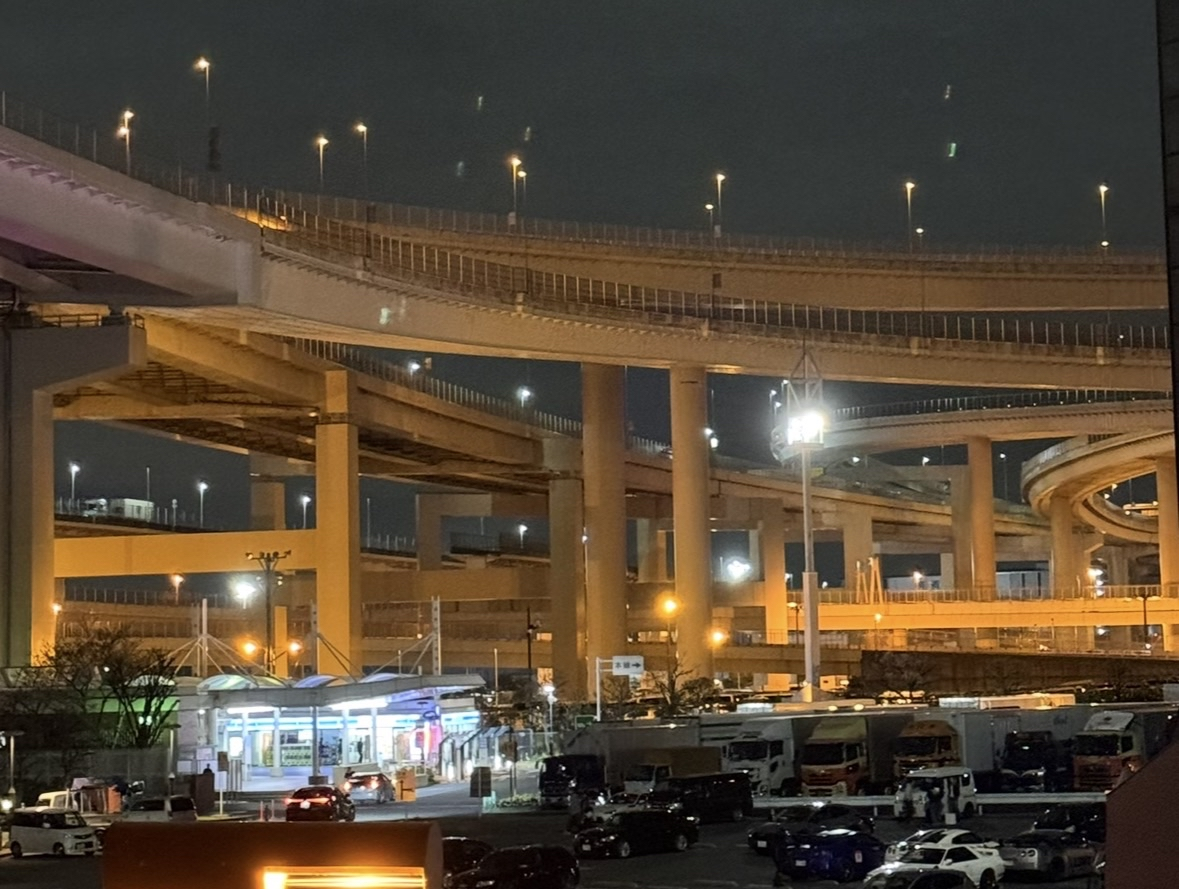
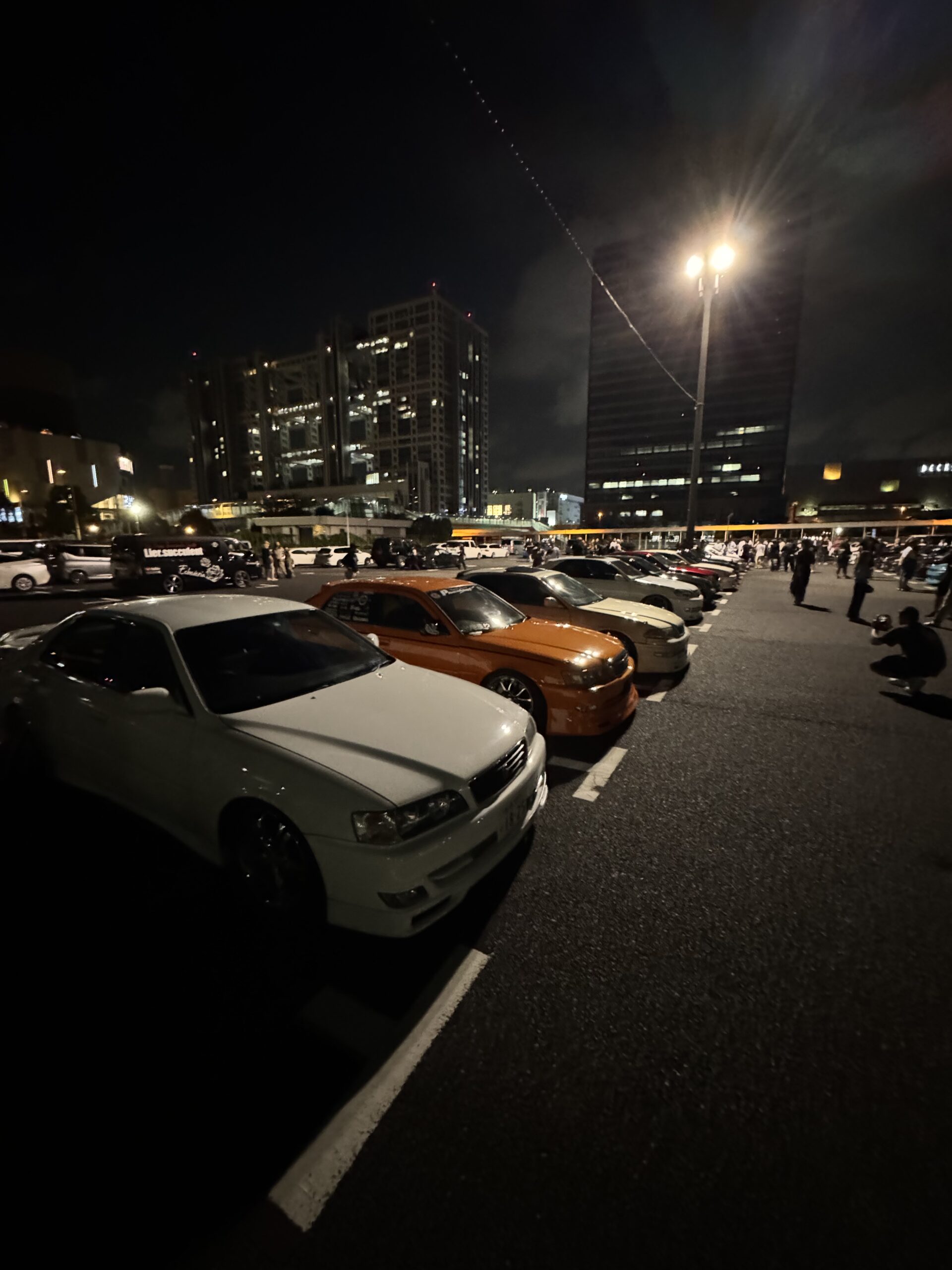
    The main location is Aomi Kita Temporary Car Park (青海北臨時駐車場) — a large open lot in the Aomi area of Odaiba, right on Tokyo Bay. The parking lot itself becomes the venue.

    The Cars and the Scene

    The meets lean toward street culture — similar in spirit to Shibuya Carjack, but with a waterfront setting and a more organized structure. On a strong night, 50+ cars show up. Police presence exists, however as long as nobody is causing trouble, enforcement stays relaxed.

    Getting There

    By train: Rinkai Line to Tokyo Teleport Station — walking distance to the venue.

    By car: The event venue is the car park itself. For nights when you want to explore the area separately, Odaiba Kaihin Park North Entrance Car Park is one of the cheaper nearby options.

    After the Meet — Odaiba at Night

    Odaiba Beach — The view across Tokyo Bay toward the Rainbow Bridge and the city skyline is one of the best in Tokyo. Walk the beach after the meet and it doesn’t feel real.

    Times Car Park Harumi Futo (タイムズ晴海ふ頭公園) — Less known than Odaiba’s main viewpoints, but the view from here is arguably better. Quiet, uncrowded, and the kind of spot that feels like a local secret.

    Ooi Futo (大井埠頭) — Nearby. We’ll leave it at that.

    Quick Reference

    InfoDetails
    LocationAomi Kita Temporary Car Park, Odaiba
    FrequencyIrregular — check Instagram/Twitter first
    FormatOrganized events, often secretive
    CarsStreet builds, 50+ on big nights
    EntryFree to watch
    TrainRinkai Line → Tokyo Teleport Station
    PhotographyOK
    PolicePresent but relaxed
    ForeignersVery welcome

    The Bottom Line

    Odaiba is not a spot you stumble into on a whim — and that’s what makes it special. Do the homework. Follow the right accounts. Show up when something is actually happening.

    Finish Setup

    Combine with Tatsumi PA and Shinonome for a full waterfront Tokyo car night.
  • ChibaDamashi — How to Experience Japan’s Wildest Underground Drift Event

    ChibaDamashi — How to Experience Japan’s Wildest Underground Drift Event

    There are drift events, and then there is ChibaDamashi. Held once a year at Mobara Circuit in Chiba, this is where Kanto’s most respected street drifters gather — not for a competition, but to push limits together in one of the most raw and unfiltered drift events in Japan. Furthermore, with over 120 cars and more than 1,000 spectators, it’s a scale that most grassroots events never reach.

    If you want to understand what Japanese drift culture actually looks like from the inside, this is the event to be at.


    What Is Chiba Damashi?

    Chiba Damashi (千葉魂) is an annual drift meeting organized around Mobara Circuit — one of the most storied local circuits in the Kanto region. Unlike professional drift competitions where everything is scripted and sanitized, Chiba Damashi is a open-style run day where drivers bring their own machines, run their own way, and push each other to go harder.

    The result is something you simply don’t see at ticketed shows: genuine, unfiltered Japanese drift culture, where the people behind the wheel are the same ones you’d see on the streets of Tokyo on a Saturday night.

    👉 chibadamashi.website — Official site for event dates and announcements


    The Chiba Damashi Line

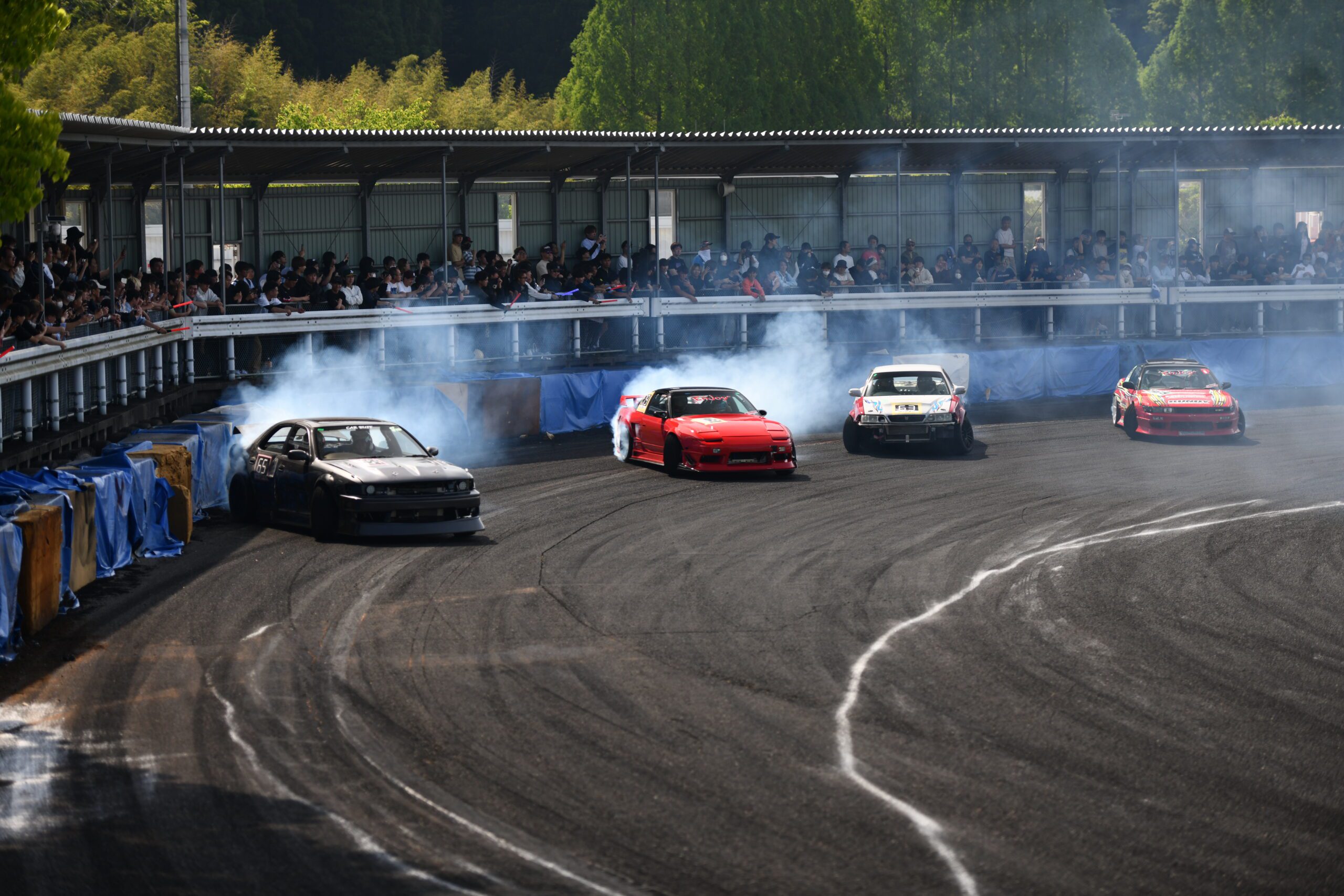
    The highlight of the event — and what separates it from any other drift day — is what regulars call the Chiba Damashi Line. This is a specific line through Mobara Circuit that runs tighter and more aggressively than a standard drift run. Drivers carry more angle, hold closer to the barriers, and push further than you’d see at a conventional event.

    Moreover, drivers don’t just run this line solo. Group runs — multiple cars drifting in tandem through the circuit — are a core part of the experience. When a train of high-powered drift cars comes through the Chiba Damashi Line together, smoke filling the track and engines screaming, it’s a level of spectacle that photographs simply can’t convey.

    The spectator areas are close to the circuit. Therefore, the sound, the smell of tire smoke, and the physical sensation of high-powered cars at full lock hits completely differently than watching from a grandstand.


    The Cars and Drivers

    With 120+ cars on the day, the range of builds is enormous — but the common thread is power. Chiba Damashi attracts serious machines from serious drivers. Many of the regulars are well-known names in the Kanto street drift scene, and the event draws the kind of attendance that only comes from years of genuine credibility in the community.

    This is not a show car event. These are working drift cars, built to be driven hard, and they will be.


    For International Visitors

    Chiba Damashi doesn’t have many foreign visitors yet — which means right now is the best time to go, before it becomes a destination event. As a foreigner, you’ll stand out, and that’s a good thing: the community is open, and local drifters who want to share their culture with international enthusiasts will find you.

    Photo and video: Fully allowed. Bring your best gear — the combination of close spectator areas, heavy smoke, and aggressive driving makes for extraordinary footage.

    Language: There’s no English support on the day, however the universal language of appreciating a well-executed drift doesn’t require translation. A thumbs up goes a long way.

    Entry fee: ¥500 paid to Mobara Circuit at the gate. One of the best value experiences in Japanese motorsport.


    Getting There

    Chiba Damashi is held at Mobara Circuit in Chiba Prefecture. Access is primarily by car.

    • By highway: Keiyo Expressway / Ken-O Expressway → Nagamimobara IC → approximately 7 minutes to the circuit
    • By train: The circuit is not easily accessible by train, so renting a car is strongly recommended

    If you’re planning to rent a car during your Japan trip, timing your visit to Chiba Damashi is an excellent reason to do so. Drive out in the morning, spend the day at the event, and experience Chiba’s roads on the way back.


    Quick Reference

    InfoDetails
    EventChiba Damashi (千葉魂)
    LocationMobara Circuit, Chiba Prefecture
    FrequencyOnce a year
    Hours9:00 AM – around 4:00 PM
    Entry Fee¥500 (paid to Mobara Circuit)
    Cars120+ drift builds
    Spectators1,000+
    PhotographyFully allowed
    AccessKen-O Expressway Nagaminobara IC → 7 min
    English SupportNone — bring a translator app
    Official Sitechibadamashi.website

    The Bottom Line

    Chiba Damashi is the kind of event that defines what JDM culture is actually about — not the polished, corporate version, but the real thing. Drivers who built their own cars, running lines that most people wouldn’t attempt, in front of a crowd that genuinely understands what they’re watching.

    It happens once a year. It’s ¥500 to get in. And it will be one of the best things you do in Japan.

  • Shibuya Carjack — How to Find Tokyo’s Most Incredible Street Car Meet

    Shibuya Carjack — How to Find Tokyo’s Most Incredible Street Car Meet

    If you’ve ever wanted to experience the kind of scene you see in Fast & Furious — but real, unscripted, and in the middle of one of the world’s most iconic cities — Shibuya Carjack is exactly that. Furthermore, it’s one of the most foreigner-friendly car meets in all of Japan. In fact, meeting international car enthusiasts is half the point.


    What Is Shibuya Carjack?

    Shibuya Carjack is an informal, self-organized street car meet that takes place in the streets around Shibuya’s Tower Records area — a short walk from the famous Scramble Crossing. There’s no organizer, no ticket, and no official start time. Instead, it happens naturally: on Saturday nights around 9:00 PM, modified cars start rolling in, people gather, and the street comes alive.

    It’s grassroots car culture at its most raw. Therefore, every week is different — you never quite know what’s going to show up.


    Where Exactly Is It?

    The meet happens in the streets near Tower Records Shibuya, on the road running away from Shibuya Station’s Scramble Crossing side.

    👉 Open in Google Maps

    From Shibuya Station, it’s a 2-minute walk. Come out of the station toward the Scramble Crossing and follow the road in the direction of Tower Records — you’ll hear it before you see it.


    When to Go

    Day: Saturday nights Time: From around 9:00 PM onwards

    There’s no fixed end time. However, be aware that if the meet gets too loud or crowded, police will occasionally roll through and ask people to move on. Importantly, this isn’t the end — within a few hours, people tend to drift back and it picks up again. It’s part of the rhythm of the night.


    What Shows Up

    The scene leans toward street culture, and consequently the car variety reflects that. On any given night you might see:

    • Stance builds — lowered, fitted, aggressive fitment
    • USDM cars — American-market Japanese models built out in US style
    • Drift builds — the occasional full drift spec car making an appearance
    • Audio builds — cars loaded with massive speakers and subwoofers, sound systems that you feel as much as hear

    Beyond parked cars, modified bikes and passing traffic add to the atmosphere. On a good night, the total number of interesting vehicles — parked and rolling through — is well into the dozens.


    The Vibe: Foreigners Welcome

    This is one of the most accessible JDM meets for international visitors. Unlike some of the more insular scenes, Shibuya Carjack actively attracts people who want to connect with car enthusiasts from overseas. In other words, as a foreigner, you’re not an outsider here — you’re part of what makes the meet interesting.

    The atmosphere is relaxed, open, and surprisingly easy to navigate even if you don’t speak Japanese. A genuine interest in the cars goes a long way.


    Photography

    Photography is generally fine. However, showing positive intent matters — if you’re clearly enthusiastic and respectful rather than just pointing a camera, people respond well. The community runs on good energy, so match it and you’ll have a great time.

    One rule that applies everywhere in Japanese car culture: don’t touch the cars without being invited to. It doesn’t matter how impressive the build is — keep your hands to yourself unless the owner opens the door or pops the hood themselves.


    Getting There

    By Train (Recommended)

    Shibuya Station — 2 minutes on foot. Any line that stops at Shibuya gets you there.

    By Car

    If you’re driving, parking is the main thing to plan ahead. Stopping in the wrong spot means a ticket, so use the official Tokyo parking guidance to find legal spots. The area around Yoyogi Park is a reliable option.

    For finding legal parking near the meet: 👉 parkingmeter.jp — Tokyo’s official parking location guide


    Quick Reference

    InfoDetails
    LocationNear Tower Records, Shibuya (2 min from Shibuya Station)
    WhenSaturday nights from ~9:00 PM
    TypeSelf-organized street meet
    CarsStance, USDM, drift builds, audio cars
    Scale10–20+ parked cars, many more passing through
    EntryFree — just show up
    ForeignersVery welcome — one of the most international meets in Tokyo
    PhotographyGenerally OK — be respectful
    ParkingUse Yoyogi Park area — check parkingmeter.jp

    The Perfect Tokyo Night — A Recommendation

    If you’re coming by train, here’s how to do it right: grab a drink from a convenience store, walk over, and experience Japanese street culture the way locals do — can in hand, talking to strangers about cars at midnight. It’s one of those experiences that’s uniquely possible in Japan.

    And if you’re planning to rent a car during your trip, come to Shibuya Carjack the night before you pick it up. See what’s out there. Get inspired. Then go collect your rental the next morning with a clearer idea of what Japanese car culture actually looks like on the street.


    The Ideal Tokyo Itinerary (Seriously)

    Here’s the move, and we stand by this completely:

    Land in Japan → Shibuya → Spot the Carjack → Police show up → Go drinking → Carjack is back → Miss the last train → Head to Atom or Asia and hang until sunrise

    Is there a better way to spend your first night in Tokyo? We don’t think so.


    The Bottom Line

    Shibuya Carjack isn’t a curated event or a ticketed show. It’s spontaneous, unpredictable, and completely real — which is exactly what makes it worth going to. Moreover, the fact that it happens in the middle of Shibuya, two minutes from one of the most photographed intersections on Earth, makes it unlike any car meet you’ve experienced anywhere else.

    Show up on a Saturday night. See what’s there. Talk to people. That’s it.

    If you’re combining spots, Tatsumi PA is a natural follow-up for later in the night — a different vibe, but equally essential Tokyo car culture.

  • Autobacs APIT Shinonome — The Ultimate JDM Shopping Stop in Tokyo

    Autobacs APIT Shinonome — The Ultimate JDM Shopping Stop in Tokyo

    If you’ve heard of Autobacs, you already know it’s Japan’s most iconic car parts chain. However, not all Autobacs stores are created equal — and APIT Shinonome in Tokyo is in a category of its own. For JDM enthusiasts visiting Japan, this store is essential. Furthermore, it’s one of the few places in the world where you can walk out with genuine Japanese car culture in your hands.
    トップページ – A PIT AUTOBACS SHINONOME


    What Is APIT Shinonome?

    APIT Shinonome is an Autobacs flagship store located in Shinonome, Tokyo — right on the waterfront near the Wangan. The name is different from a standard Autobacs branch, but make no mistake: it’s the real thing, and then some.

    In contrast to a regular Autobacs that stocks the basics, APIT Shinonome goes further. The selection covers everything from universal car care products to collaboration merchandise, model cars, books, and items that you simply won’t find anywhere else in the world.


    Why Every JDM Visitor Should Go Here

    The Best JDM Souvenir Shop in Tokyo

    This is where APIT Shinonome truly stands out. The store stocks Initial D collaborations, Japanese automotive books, model cars, and JDM merchandise that makes for incredible souvenirs. If you’re looking for something to bring home that proves you actually went deep into Japan’s car culture — not just the tourist version — this is your spot.

    SOFT99 — Japan’s Legendary Car Wax

    One of the most popular purchases among international visitors is SOFT99 wax. It’s a Japanese car care brand that has been producing premium products since 1954, and it has a cult following among enthusiasts worldwide. The Fusso series in particular — which uses a fluoropolymer compound for long-lasting paint protection — is famous for its water beading performance. It outperforms many Western equivalents at a fraction of the price.

    You can get SOFT99 products outside Japan, but buying them here is both cheaper and more satisfying. It’s the kind of thing every car person back home will recognize and appreciate.

    The Midnight Car Meet

    Here’s something that most tourist guides will never tell you: the APIT Shinonome car park runs an unofficial car meet on weekend nights. The store itself closes at 9:00 PM, but the parking lot stays open — and that’s when things get interesting. Serious builds show up, people hang out, and it has a completely different atmosphere from the daytime shopping experience.

    Therefore, if you’re planning a visit, consider making it a two-part trip: shop during the day, then stick around or come back later to see what rolls in.


    Getting There

    APIT Shinonome is a one-minute walk from Rinkai Line Shinonome Station. However, the train access isn’t ideal — the Rinkai Line isn’t the most convenient line from central Tokyo, and the last train runs earlier than you’d want if you’re staying for the night scene.

    As a result, driving is strongly recommended, especially if you’re planning to stay for the evening car meet. The surrounding Shinonome and Tatsumi waterfront area also has great night views — so it’s worth making a full evening out of it rather than rushing back.

    If you do take the train, plan your return carefully and don’t miss the last service.


    What to Buy

    For souvenirs:

    • Initial D collaboration merchandise
    • Japanese automotive books and magazines
    • JDM model cars
    • Air Spencer air fresheners (compact, cheap, and instantly recognizable to any enthusiast)

    For actual car care:

    • SOFT99 wax (Fusso series for long-lasting protection, King of Gloss for maximum shine)
    • Washing and detailing products that are significantly cheaper than importing them

    Practical Info

    InfoDetails
    Store NameAPIT Shinonome (Autobacs)
    LocationShinonome, Koto-ku, Tokyo
    Nearest StationRinkai Line Shinonome Station (1 min walk)
    Hours9:00 AM – 9:00 PM
    PaymentCash & card accepted
    English SupportReasonable — better than most car shops
    International ShippingNot from store — use Japan Post nearby
    Car MeetWeekend nights in the car park (unofficial)

    The Bottom Line

    Most visitors to Japan never make it to APIT Shinonome. It’s not in the standard guidebooks, and it’s not in the tourist districts. However, that’s exactly what makes it special — it’s a real piece of Tokyo’s car culture, not a curated version of it.

    Go during the day to shop. Stay for the night to see what shows up in the car park. And leave with something that no one else back home has.

    Combined with nearby Tatsumi PA, Shinonome makes for one of the best JDM evenings you can have in Tokyo.

  • Up Garage Japan — The Ultimate Guide to Finding Incredible JDM Parts

    Up Garage Japan — The Ultimate Guide to Finding Incredible JDM Parts

    Up Garage — Japan’s Best-Kept Secret for JDM Parts

    If you’re visiting Japan as a car enthusiast, Up Garage might be the single best stop you make. It’s not as well-known as Autobacs among tourists — however, ask any Japanese drifter where they shop, and Up Garage will be the first answer.

    In other words, this is the place where you can walk in with ¥10,000 and walk out with parts that would cost ten times that back home.


    What Is Up Garage?

    Up Garage is a used car parts chain with stores across Japan. Unlike Autobacs or Yellow Hat — which sell brand new accessories and universal products — Up Garage buys directly from Japanese owners and resells their parts. As a result, you’re shopping from the same pool of parts that Japanese enthusiasts actually pulled off their own cars.

    In short, the result is something you won’t find anywhere else: an enormous, constantly rotating inventory of genuine used JDM parts at prices that don’t make sense until you actually see them.


    What’s Inside

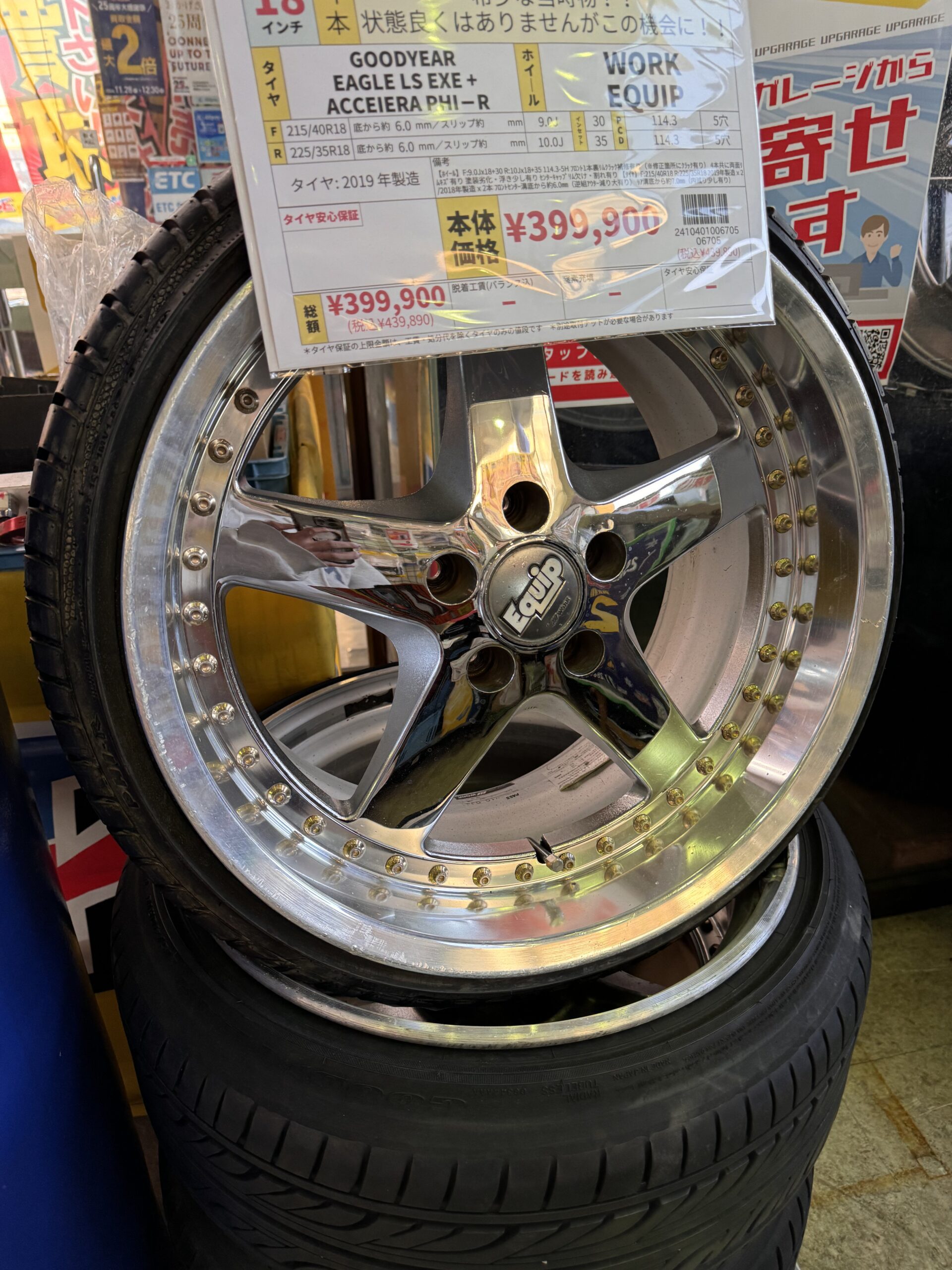
    The short answer: almost everything. Suspension components, aero parts, interior pieces, wheels, audio, exterior trim, engine parts — it’s all there, spanning hundreds of different Japanese car models.

    However, if you’re looking for a specific part for a specific car, Up Garage isn’t a guaranteed find. The inventory is unpredictable by nature. Nevertheless, that’s also exactly what makes it worth visiting — you never know what you’ll discover.

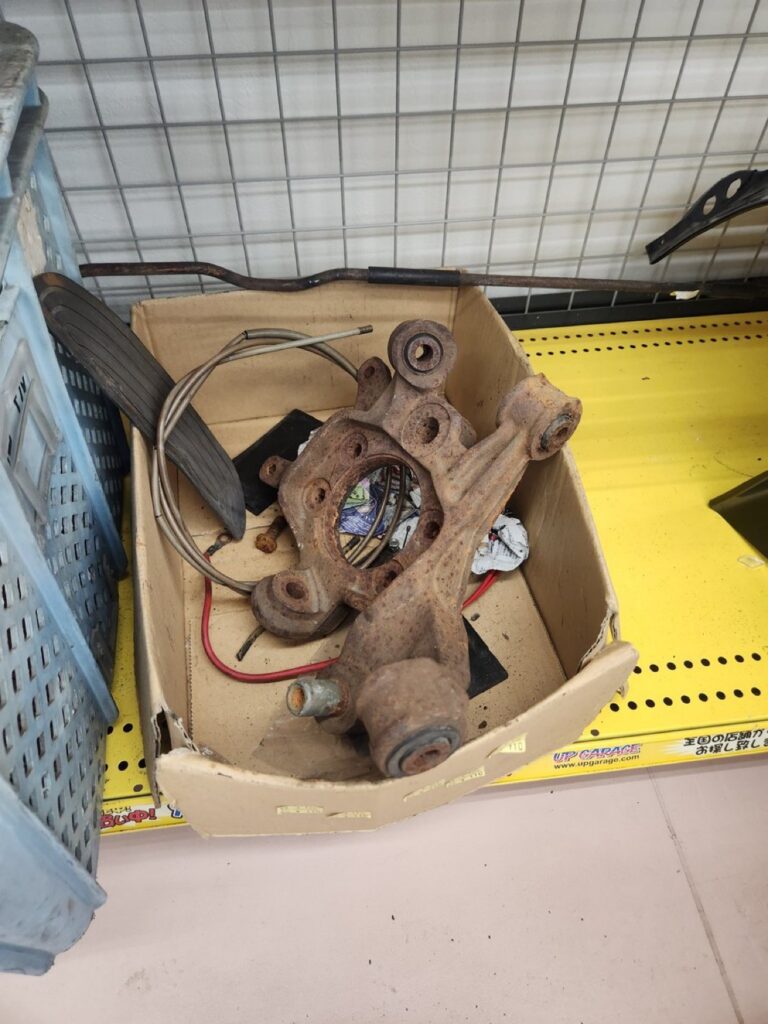
    For example, a friend of mine once found a set of S13 Silvia knuckles for ¥55. They were rusty, pulled off a car, sold by an owner who just wanted them gone. That’s the Up Garage experience. The knuckles are an extreme example, but stories like that are why Japanese drifters treat this place as essential viewing.


    How the Pricing Works

    Because Up Garage sources directly from individual owners, the pricing varies wildly. Some things are genuinely cheap. On the other hand, popular or rare parts aren’t discounted much at all — the previous owner knew what they had.

    Therefore, the smart move is to check prices online before you go. If you find something in-store that’s close to or cheaper than internet pricing, buy it immediately — the inventory is always changing and it won’t be there next week. Furthermore, the advantage over online shopping is clear: the part is right in front of you, you can inspect it yourself, and you take it home the same day. No waiting for shipping.


    Up Garage vs. Autobacs

    These two stores are often mentioned together, however they serve completely different purposes.

    Autobacs stocks new universal products — oil, cleaning supplies, air fresheners, dash cams, tire accessories. In contrast, Up Garage stocks used, vehicle-specific parts: the knuckle that came off a real S13, the front lip that was on someone’s EK9, the shift knob from an actual Chaser. As a result, they’re not really competing with each other. Most serious enthusiasts use both.


    Opening Hours

    Most Up Garage locations are open every day and close around 8:00 PM. Therefore, going during the day gives you the most time to browse — and you’ll want time. This is not a quick stop.


    Practical Info for Visitors

    English support: Minimal to none. Staff are friendly, however don’t expect English. Fortunately, pointing and a phone translator will get you through just fine.

    Payment: Both cash and card are accepted.

    Taking parts home: Everything is sold for immediate pickup — you take it with you that day. International shipping from the store itself isn’t available. However, Japan’s domestic shipping services (Sagawa, Japan Post) are easy to use and can ship internationally. Simply buy the part, then take it to a convenience store or post office, and ship it home from there.


    The JDM Souvenir You Didn’t Know You Needed

    Even if you’re not buying serious parts, Up Garage is still worth a visit as a pure cultural experience. Japanese car culture is on display in every shelf and bin — and the prices mean you can pick up genuine JDM pieces without spending much.

    In particular, one specific recommendation: Air Spencer air fresheners. They’re a staple of Japanese car culture, genuinely cheap, and compact enough to pack in a suitcase. Moreover, they’re the kind of thing that every JDM enthusiast back home will recognize immediately. A perfect souvenir.


    Why Every JDM Fan Should Go

    Japan’s domestic car scene runs on Up Garage. When drifters need a replacement part on a budget, they check Up Garage first. Similarly, when enthusiasts want to see what interesting pieces have surfaced this week, they browse Up Garage. It’s a living archive of real Japanese car culture — not the curated, new-product version you see at Autobacs, but the real thing.

    Even if you buy nothing, walking through the aisles tells you more about Japanese car culture than any YouTube video. In short, go. Browse everything. And keep your eyes open — your ¥55 part might be waiting for you.


    Quick Reference

    InfoDetails
    Store TypeUsed JDM parts chain
    HoursOpen daily, closes around 8:00 PM
    PaymentCash & card accepted
    English SupportMinimal — bring a translator app
    International ShippingNot from store, but easy via Japan Post / Sagawa
    Best ForRare parts, budget builds, JDM souvenirs
    Must-BuyAir Spencer air freshener
  • Tokyo Auto Salon — The Complete Visitor’s Guide

    Tokyo Auto Salon — The Complete Visitor’s Guide

    If you’re into JDM car culture, Tokyo Auto Salon is the one event you cannot miss. Held every January at Makuhari Messe in Chiba, it’s the world’s biggest custom car show — and for car enthusiasts visiting Japan, it’s a bucket list experience.

    I’ve been going since I was a kid, and I’ve lost count of how many times I’ve walked those halls. Here’s everything you need to know to make the most of your visit.


    What Is Tokyo Auto Salon?

    Tokyo Auto Salon is an annual custom car and aftermarket parts exhibition held in mid-January at Makuhari Messe. Unlike motor shows focused on new production cars, TAS is all about modified and custom builds — from full aero kits and widebody monsters to track-built time attack machines and stance builds.

    Every genre is represented. JDM legends, domestic tuners, international brands — it’s all there under one roof.


    When to Go

    Tokyo Auto Salon runs for three days in January each year. There’s one important thing to note about the schedule: Friday is a half-day. Doors open in the afternoon, not the morning, and there’s no extension to the hours. If you’re only in Japan for a short time, Saturday or Sunday will give you the most time inside.

    Saturday is the highlight day — the outdoor demonstration area hosts a drift show, and if you’re already inside the venue, it’s free to watch. Don’t miss it.


    Getting There

    By Train (Recommended)

    The vast majority of visitors should take the train. In 2026, attendance hit 200,000 people — the roads around Makuhari Messe on event days are a nightmare, and parking is extremely limited.

    The easiest route from Tokyo is the Keiyo Line from Tokyo Station to Kaihin-Makuhari Station, which is a short walk from the venue. The ride takes around 30–40 minutes depending on the service.

    For navigating transfers and train times, Yahoo! Transit (Yahoo乗換案内) is the best app to use. It’s far more accurate for local trains than Google Maps and gives you real-time updates.

    By Car

    If you’re planning to shop heavily — and you should be, more on that below — driving makes it easier to carry your haul back. But be prepared: you’ll want to arrive by 7:00 AM to secure parking before the queues build up. The lots fill fast.


    Tickets

    Tickets are a single tier: ¥3,000 per person.

    Advance purchase is required — you cannot buy at the door. Tickets are available through the official website: 👉 https://www.tokyoautosalon.jp/2026/ticket/

    Buy yours before you travel to Japan. They do sell out, especially for Saturday.


    What Time to Arrive

    Doors open at 9:00 AM, but getting there early is critical regardless of how you’re getting there.

    • By car: Aim to arrive by 7:00 AM to get parking sorted before the rush
    • By train: Try to be through the gates by 8:00 AM — the entry queue builds up fast once the show opens

    What to Expect Inside

    All Genres, All Builds

    TAS covers the full spectrum of custom car culture. You’ll find everything from street-legal show cars to full race builds, kei car mods, luxury customs, and everything in between. If it’s been built or tuned in Japan, chances are it’s here.

    Don’t Miss: Liberty Walk

    The Liberty Walk booth is one of the most impressive at the show — it’s large, heavily invested, and always draws a crowd. Their widebody builds are the kind of thing you’ve seen in photos a thousand times, but seeing them in person hits differently.

    Saturday Drift Show

    On Saturday, the outdoor area hosts a live drift demonstration. This is included with your entry ticket at no extra charge. Find a spot early and watch some of the best drivers in Japan put on a show.


    Shopping: The Real Hidden Gem

    Here’s something that surprises a lot of first-timers: Tokyo Auto Salon is one of the best places in Japan to buy car parts.

    Brands and vendors offer serious discounts at the show — 40% off is not unusual, even on premium products. Japanese car enthusiasts often hold off on major parts purchases throughout the year specifically to buy at TAS. If you’re planning to do any kind of build work, this is the time to stock up.

    The tradeoff is that you’ll need to carry everything out. If you’re flying, think carefully about what you can realistically bring back.


    How Long to Spend

    Plan for at least half a day. The venue is large and there’s a lot to cover.

    One tip that makes a big difference: check the floor map the night before. TAS publishes a full exhibitor map ahead of the event. Spend 15 minutes the evening before identifying the booths you don’t want to miss and planning a rough route. If you just wander, it’s easy to spend an hour in one section and then realize you’ve missed something important on the other side of the hall.


    What to Wear and Bring

    A few practical things worth knowing:

    It gets hot. It’s January in Japan, so you’ll bundle up to get there — but inside Makuhari Messe with tens of thousands of people, it gets warm quickly. Wear layers you can easily remove.

    Travel light. Booths give out tote bags, you’ll pick things up as you walk, and if you’re shopping, you’ll accumulate bags fast. Start with as little as possible.


    Quick Reference

    InfoDetails
    LocationMakuhari Messe, Chiba
    Nearest StationKaihin-Makuhari (Keiyo Line from Tokyo Station)
    DatesEvery January (3 days)
    Ticket Price¥3,000
    Advance BookingRequired — buy online before you go
    Opening Time9:00 AM (Friday: afternoon only)
    Recommended ArrivalBy car: 7 AM / By train: by 8 AM
    Drift ShowSaturday only — included with entry

    Tokyo Auto Salon is one of those events that reminds you why Japan is the spiritual home of JDM culture. Go once and you’ll be coming back every year.

  • How to Get to Daikoku PA

    How to Get to Daikoku PA

    Daikoku Parking Area is the most famous car meet spot in Japan. If you’re a car enthusiast visiting Tokyo, this place is non-negotiable. On any given Friday or Saturday night, you’ll find everything from rare JDM builds to vintage classics to full-on supercars — all parked up under the lights of a highway rest stop in Yokohama.

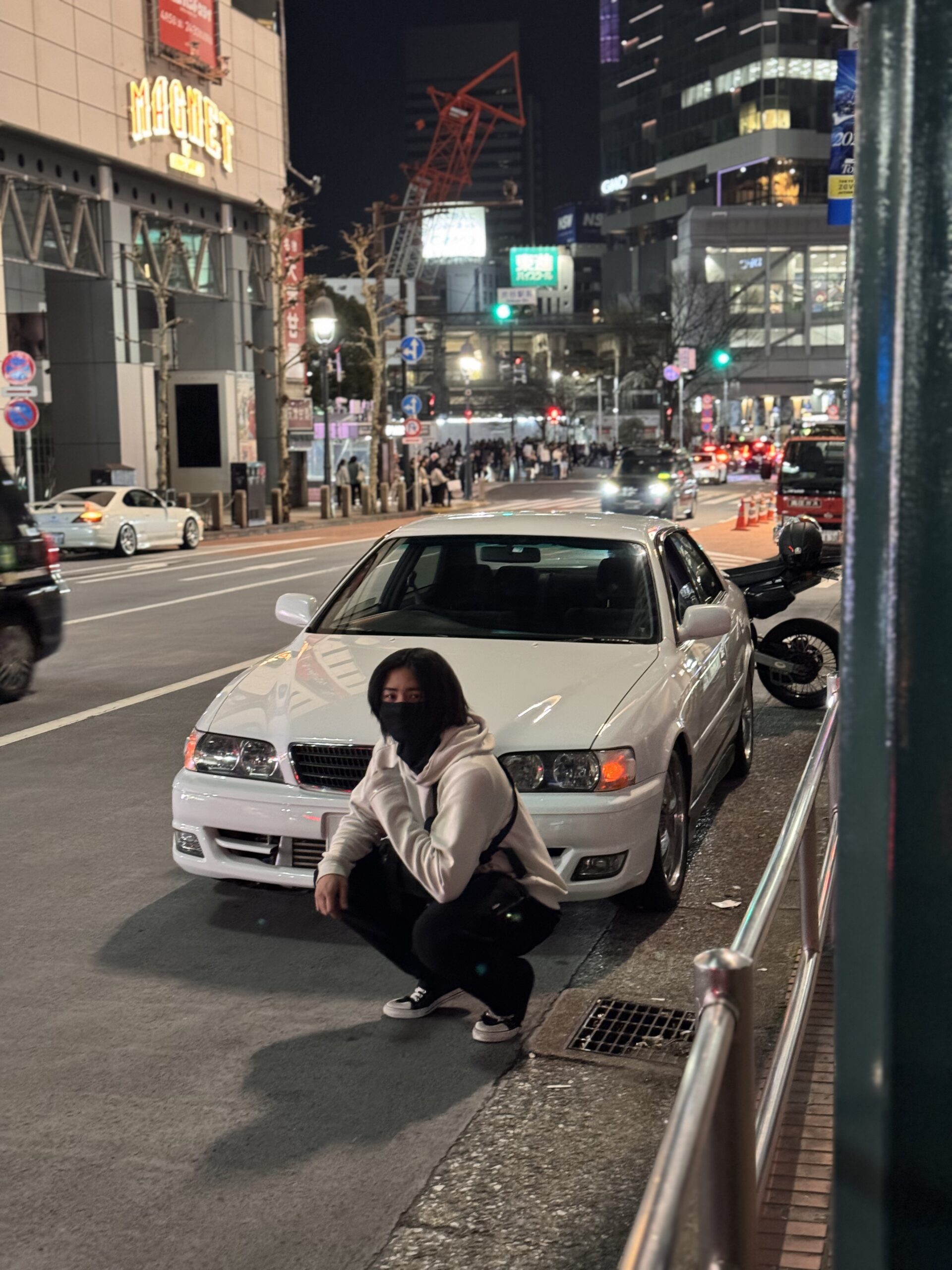
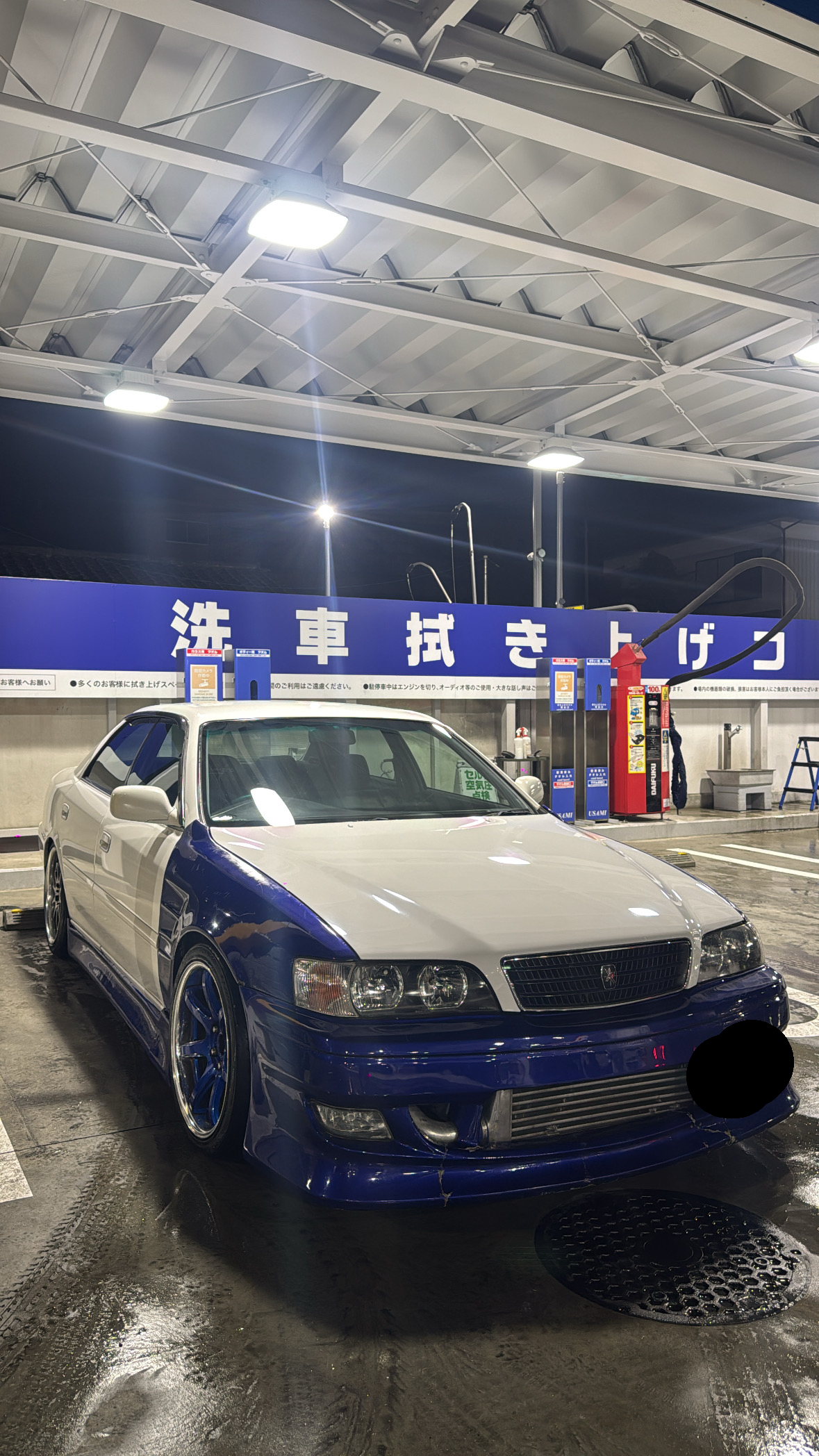
    I’ve been coming here for years in my JZX100 Chaser. Here’s everything you need to know before you go.

    Getting There: Car Only

    Let’s get one thing out of the way first: Daikoku PA is on a highway, and you can only access it by car. There is no train stop, no bus route. You drive in or you don’t go.

    For foreign visitors, that means two options: taxi or rental car.

    Rental Car (Recommended)

    Renting a car is by far the better option. It gives you freedom, it’s cheaper than a taxi for the distance, and honestly — showing up to Daikoku in a rental is part of the experience.

    A few things to know when driving to Daikoku:

    • You’ll need to use the expressway. When you approach a toll gate, use the general lane — not the ETC lane. ETC requires a special transponder card that rental cars don’t always have. The general lane accepts cash and credit cards.
    • From central Tokyo, the drive is roughly 30 to 40 minutes depending on traffic.
    • Parking inside Daikoku PA is free. Just pull in.

    Taxi (Not Recommended)

    Technically you can take a taxi to Daikoku PA, but we strongly advise against it. The fare from central Tokyo can easily reach 20,000 to 30,000 yen or more for a round trip — that’s a significant chunk of your travel budget for a single night out. Beyond the cost, it defeats the purpose of being there. Part of the Daikoku experience is the drive in.

    Spend that money on the rental car instead. You’ll have a better time.

    When to Go

    Timing is everything at Daikoku. Here’s the breakdown.

    Friday and Saturday Evenings — The Main Event

    Arrive around 5:00 to 6:00 PM. This sounds early, but there’s a critical reason: Daikoku PA regularly gets so crowded between 8:00 and 9:00 PM that the management shuts the entire PA down — and that means everyone inside gets kicked out immediately. No warnings, no exceptions. The whole lot clears out.

    If you’re inside when this happens, the night is over. If you arrive after it happens, you’re not getting in.

    Getting there by 5:00 to 6:00 PM means you enjoy the full build-up — cars arriving one by one, the crowd forming, the energy rising — without the risk of getting turned out mid-evening.

    Weeknights

    On regular weeknights, things get going later. Arriving around 9:00 PM is usually when you’ll start seeing cars gather. It’s quieter than the weekend, but you’ll often find the regulars — committed enthusiasts who come out regardless of the day.

    Before and During Car Events

    One insider tip: check if there’s a major car event happening nearby. The night before Tokyo Auto Salon or other big meets, Daikoku tends to go off. Enthusiasts driving to or from the event stop in, and the level of cars you’ll see is exceptional.

    What Kind of Cars Show Up

    Daikoku is genuinely all-genre. There’s no single scene — it’s everything at once.

    On a good night you might see JDM classics, Italian exotics like Ferrari and Lamborghini, rare domestic sports cars, heavily modified builds, concours-level show cars, and completely stock daily drivers that just happened to pull over.

    That mix is what makes Daikoku different from any other meet. You never know what’s going to be there.

    One night I was there and Han — Sung Kang, the actor who plays Han in the Fast and Furious franchise — showed up in person. Completely unannounced. People were getting autographs, taking photos with him. That kind of thing just happens at Daikoku.

    Every visit is different. The same combination of cars and people will never happen twice. That’s the point.

    Etiquette — Read This Before You Go

    Japanese car meet culture has its own unwritten rules. Follow them and you’ll have a great time. Break them and you’ll ruin it for everyone.

    Do not touch cars without permission. These are not show cars on a display stand — they are people’s personal vehicles. Japanese owners are extremely particular about their cars being touched by strangers. Even leaning on someone’s car is considered disrespectful. Keep your hands to yourself unless you’ve asked.

    Talk before you photograph. If you want to shoot someone’s car, don’t just point your camera — say something first. It doesn’t matter if your Japanese is zero. Walk up, make eye contact, and say something in English. Most people at Daikoku don’t speak English, but they will try to communicate with you. They’ll appreciate the effort far more than you expect. The willingness to try is what counts — not the fluency.

    This applies to everything at Daikoku. Talk to people. Ask about the car, show genuine curiosity, and the conversation will happen one way or another. You’ll end up hearing things you’d never find in any guide — where the next meet is, which events are worth attending, what’s really going on in the local scene. Some of the best information you’ll get in Japan comes from conversations that technically shouldn’t have worked linguistically.

    Daikoku rewards the people who show up with respect and the courage to say hello.

    Quick Info

    Location: Daikoku Futo PA, Yokohama, Kanagawa

    Access: By car only via expressway

    Best nights: Friday and Saturday

    Best arrival time: 5:00 to 6:00 PM before the PA closes to new traffic

    Weeknight timing: Around 9:00 PM

    Cost: Free to enter, free parking inside the PA

    Written by someone who has been making this drive for years. Every piece of advice here comes from personal experience — not a travel blog or a YouTube video.